
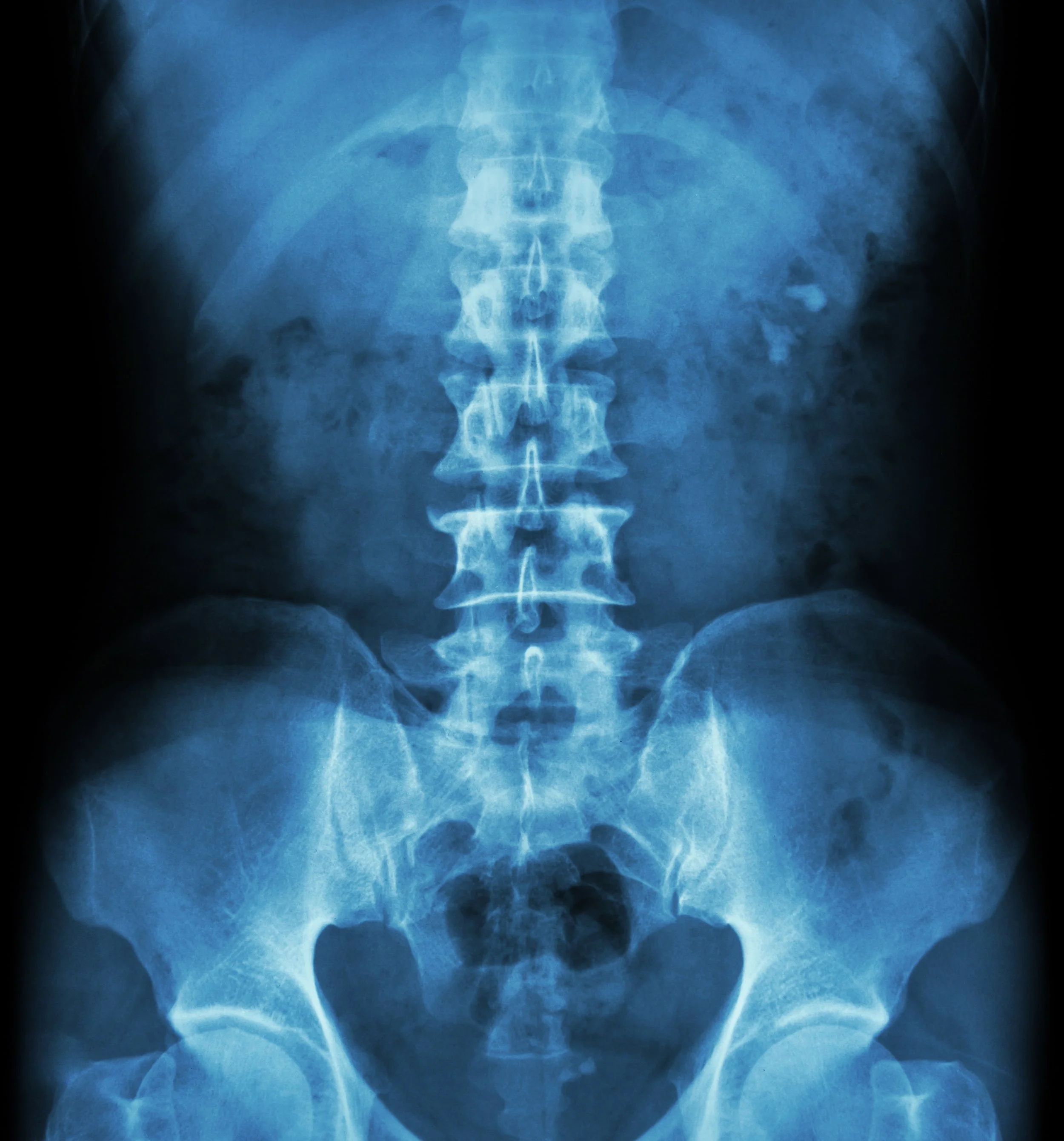
Understanding Osteoporosis and osteopenia
Have you recently been diagnosed with osteoporosis or osteopenia and found yourself unsure about what it really means and what steps to take next?
Understanding Bone Health Tests: CTX, P1NP, and More
A simple introduction
Bone is constantly being broken down and rebuilt. In osteoporosis, this balance is disrupted. Blood tests such as CTX and P1NP help us understand this process more clearly. Work led by Pierre Szulc has shown that, when measured properly, these markers can give a reliable and practical way to monitor bone health and how well treatments are working.
What are CTX and P1NP?
CTX shows how quickly bone is being broken down
P1NP shows how new bone is being made
Together, they give a simple picture of how active your bones are
Are they reliable?
Yes, when done properly, they are widely used and trusted (Note CTX must be done in the morning and fasting)
Most useful for tracking how well treatment is working over time
When are these tests used?
Before starting treatment (to get a baseline)
A few months after starting treatment (to check response)
Sometimes later to make sure things stay stable
What is the best time to do the test?
CTX:
Early morning
Fasting (no food overnight)
P1NP:
More stable, but usually done at the same time as CTX for consistency
How to interpret results (simple examples)
Antiresorptive treatments (slow bone breakdown):
Examples: alendronate, risedronate, zoledronic acid, denosumab
Expected pattern:
CTX decreases (e.g. 0.6 → 0.2)
P1NP decreases (e.g. 50 → 25)
Why does P1NP also fall? (simple explanation)
When bone breakdown is reduced, the signal to make new bone also decreases
Less old bone is being removed, so the body slows down building new bone
This is normal → P1NP decreases slightly as part of treatment effect
Anabolic treatments (build new bone):
Examples: teriparatide, abaloparatide, romosozumab, (in some settings) growth hormone-related therapies
Expected pattern:
P1NP increases (e.g. 40 → 80)
CTX may also rise slightly early on
The key is the trend over time, not a single number
Simple combined score (easy way to understand balance)
A simplified way to look at bone balance is:
Score = (P1NP ÷ CTX)
Example:
P1NP = 60 µg/L, CTX = 0.3 µg/L
Score = 60 ÷ 0.3 = 200
Suggested interpretation:
150–200 → good bone formation balance
Lower → relatively more bone breakdown
Higher → relatively more bone formation
This is a simple guide only and not part of formal clinical guidelines
How often are they repeated?
Usually checked again at 3–6 months after starting treatment
Always try to repeat under the same conditions
Other important tests for bone health
DEXA scan – measures bone density
RMS (if used locally) – additional bone assessment
Blood tests:
Calcium
Vitamin D
Thyroid hormones
Sex hormones (e.g. oestrogen/testosterone)
In summary
CTX and P1NP help monitor bone activity
Timing and consistency matter, especially for CTX
Results should always be looked at as trends over time, alongside scans and other blood tests
Need help?
If you would like help interpreting your results or advice on when and how to arrange these tests, you can get in touch for further guidance.