How Can I Consistently Create Conditions That Support Healthy Bone Remodelling?

Arturo Fernandez - Founder of BonePilot - Running his fastest 1k and 5k
Article Excerpt
Can we consistently create conditions that support healthy bone remodelling? In this evidence-informed guide, I explore CTX, P1NP, nutrition, exercise and the latest research, and introduce BonePilot — an educational platform designed to help people better understand osteoporosis and bone health.
Introduction
When I was diagnosed with severe osteoporosis with multiple vertebral compression fractures, I quickly realised that asking "What medication should I take?" wasn't enough. I wanted to understand how bone remodelling actually works. Why were my bones losing strength? Could nutrition make a measurable difference? Did exercise help, or temporarily increase bone breakdown? What role did calcium, protein and vitamin D really play? And, perhaps most importantly, how could I consistently create conditions that support healthy bone remodelling? Over the past two years I've spent hundreds of hours reading scientific papers, following international osteoporosis guidelines, and monitoring my own blood tests, scans and bone turnover markers. This article summarises what I've learned so far, and explains why I'm building BonePilot to help others do the same.
How BonePilot Can Help

BonePilot - Your Personal Health Companion
One of the biggest challenges I faced was bringing together information scattered across hospital letters, blood tests, DEXA scans, REMS scans, medication leaflets and research papers. That's why I created BonePilot: an evidence-informed educational platform that brings together interactive assessments, calculators, educational guides and clinician-ready reports in one place. Rather than replacing healthcare professionals, BonePilot helps people ask better questions, understand their results, and have more meaningful conversations with their clinicians. Throughout this article, you'll see examples of how BonePilot can help interpret the concepts discussed.
Understanding Bone Remodelling
Bone is often thought of as a static structure, but it's actually one of the most metabolically active tissues in the body. Throughout life, bone is constantly broken down by specialised cells called osteoclasts and rebuilt by osteoblasts. This continuous process is known as bone remodelling. Healthy bone depends on maintaining a balance between these two processes. When resorption consistently outpaces formation, bone mineral density gradually falls, and fracture risk rises.
Understanding CTX
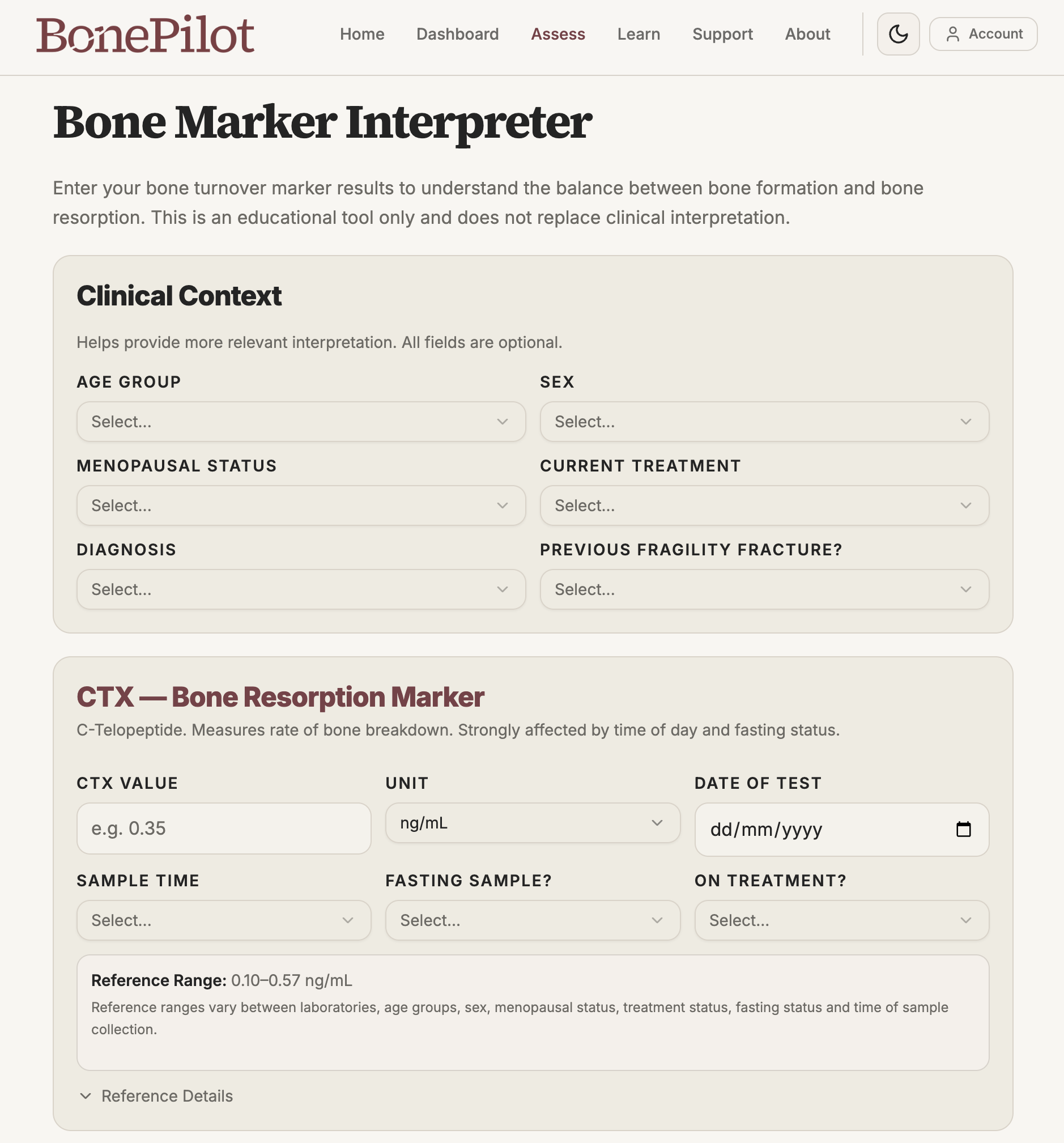
BonePilot - Bone Marker Interpreter - CTX
CTX (C-terminal telopeptide of type I collagen) is one of the most widely used markers of bone resorption. When osteoclasts break down bone, collagen fragments are released into the bloodstream. CTX measures one of these fragments, indicating how actively bone is being resorbed. CTX varies naturally throughout the day and is influenced by fasting, recent exercise, food intake and certain medications. For this reason, it's usually measured first thing in the morning after an overnight fast, under standardised sampling conditions (1). A single CTX result rarely tells the whole story — trends over time are generally far more informative.
Understanding P1NP
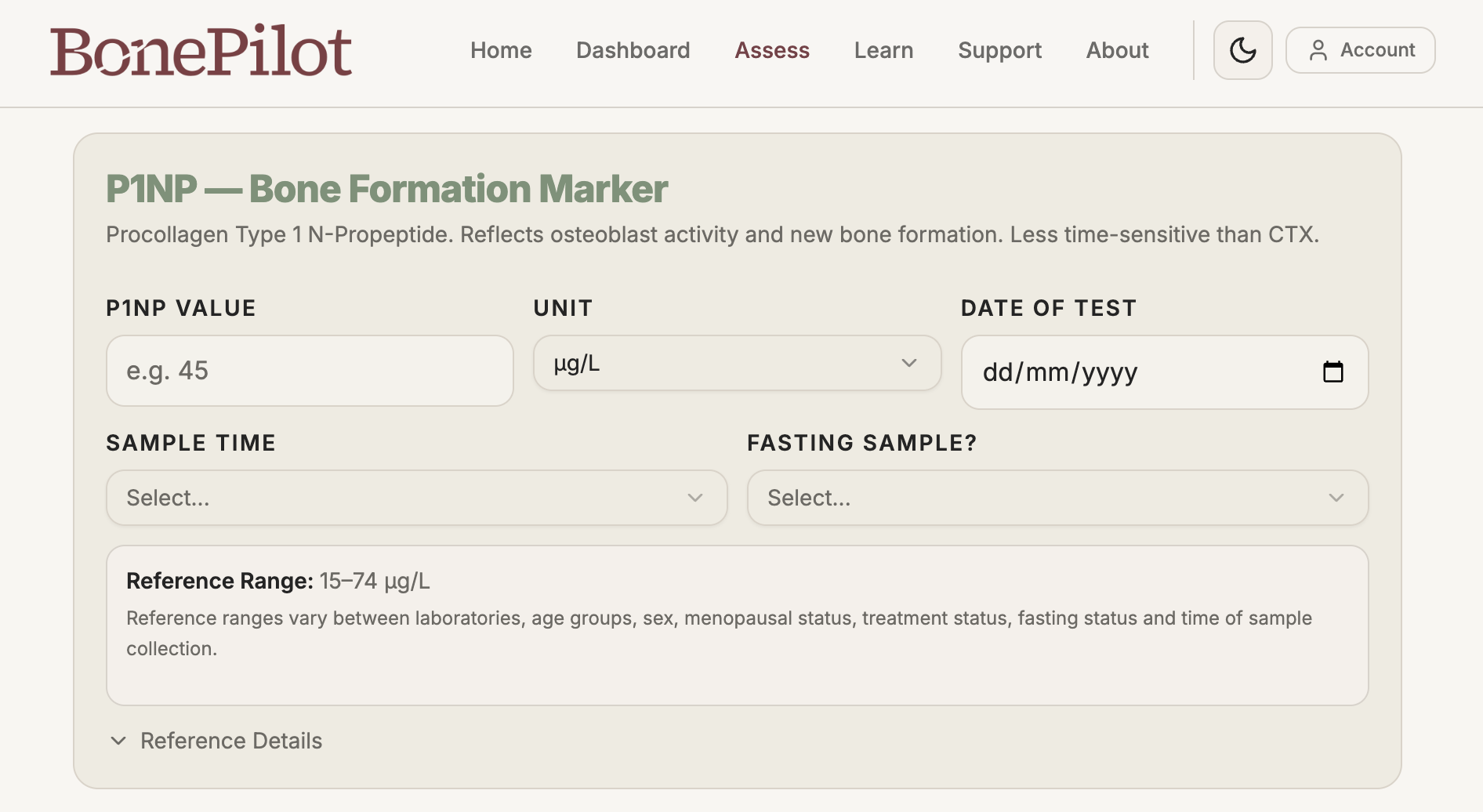
BonePilot - Bone Marker Interpreter - P1NP
P1NP (Procollagen Type I N-Terminal Propeptide) is one of the best established markers of bone formation. As osteoblasts produce new collagen for bone, P1NP is released into the circulation. Together, CTX and P1NP provide valuable insight into bone remodelling, especially when interpreted alongside bone density measurements, fracture history, medications and clinical context (2).
Making Sense of the Results
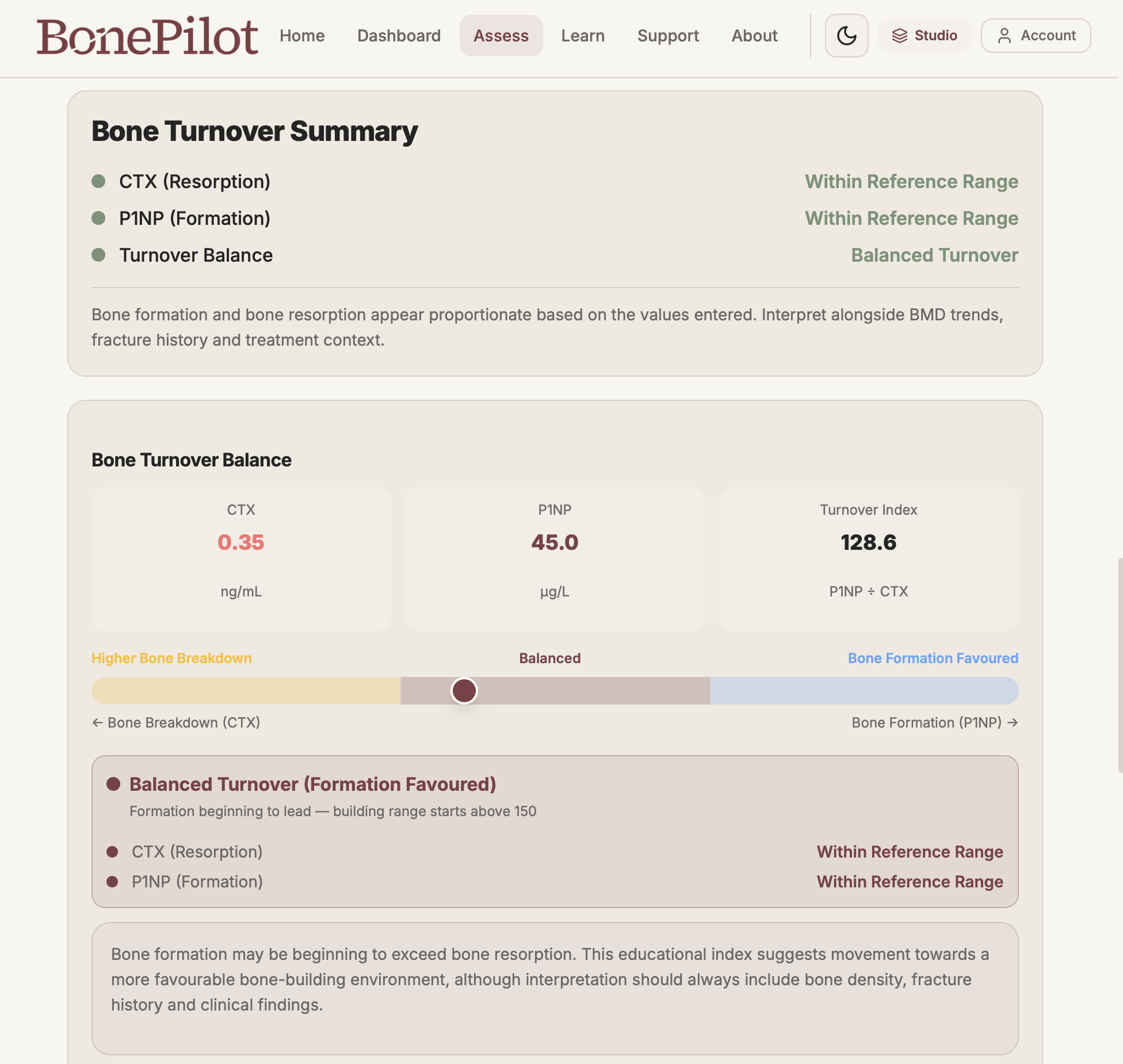
BonePilot - Bone Marker Interpreter - Balance. Inspired by Dr Doug Lucas’s youtube channel.
CTX or P1NP alone only tell part of the story. BonePilot combines multiple factors — including DEXA, REMS, fractures, medications, nutrition and bone turnover markers — to provide an educational interpretation based on current evidence. The aim isn't to produce a diagnosis, but to help users understand what their results may mean, and prepare for more productive discussions with their healthcare team.
A Personal Note
I would never have reached this level of understanding without the generosity of people like Dr. Doug Lucas, whose educational work—particularly the video below; Why Your Doctor May Not Order This Critical Blood Test—helped me understand the importance of CTX and P1NP, and why CTX should ideally be measured first thing in the morning after an overnight fast, before eating or exercising, to obtain meaningful and comparable results. Unfortunately, I learned this through trial and error, spending well over £1,000 repeating tests before getting the timing right. One of my long-term hopes is that BonePilot can help others avoid that journey and, ultimately, support wider access to appropriately timed bone turnover marker testing within the NHS before, during and, where clinically appropriate, after osteoporosis treatment.
What Does the Evidence Suggest?
Although no single food or habit can "build bone" on its own, research consistently supports several strategies that contribute to healthy bone remodelling.
Adequate Protein
Protein supplies the amino acids needed for collagen synthesis — the structural framework onto which bone mineral is deposited. Most adults with osteoporosis benefit from ensuring adequate daily protein alongside sufficient calcium (4). BonePilot Tool: Protein Intake Calculator.
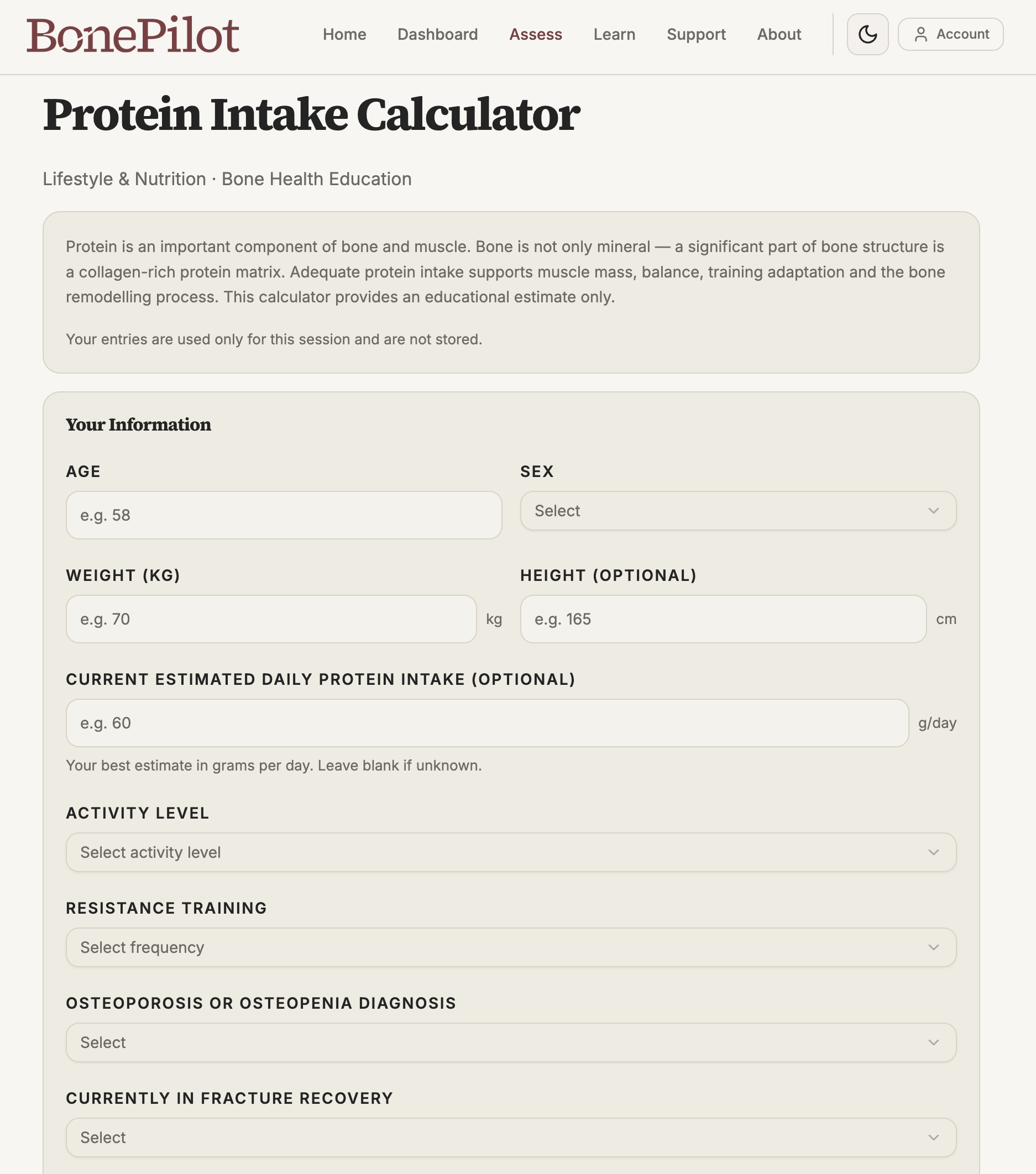
BonePilot - Protein Intake Calculator
Calcium
Calcium provides the mineral substrate needed for bone mineralisation. Current guidelines recommend meeting calcium requirements primarily through diet, using supplementation only where dietary intake falls short (5). BonePilot Tool: Calcium Intake Calculator.
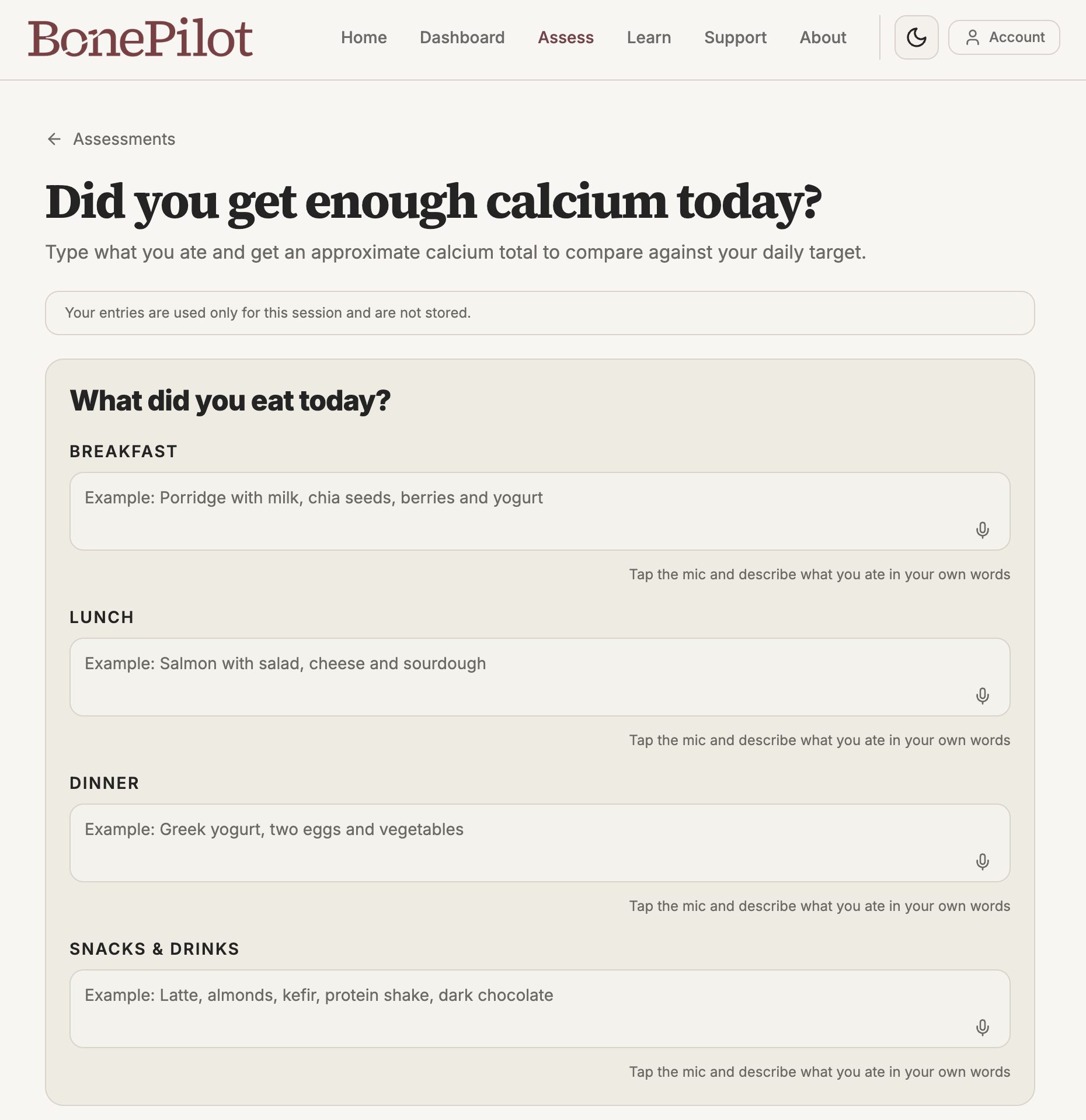
BonePilot - Did you get enough calcium today
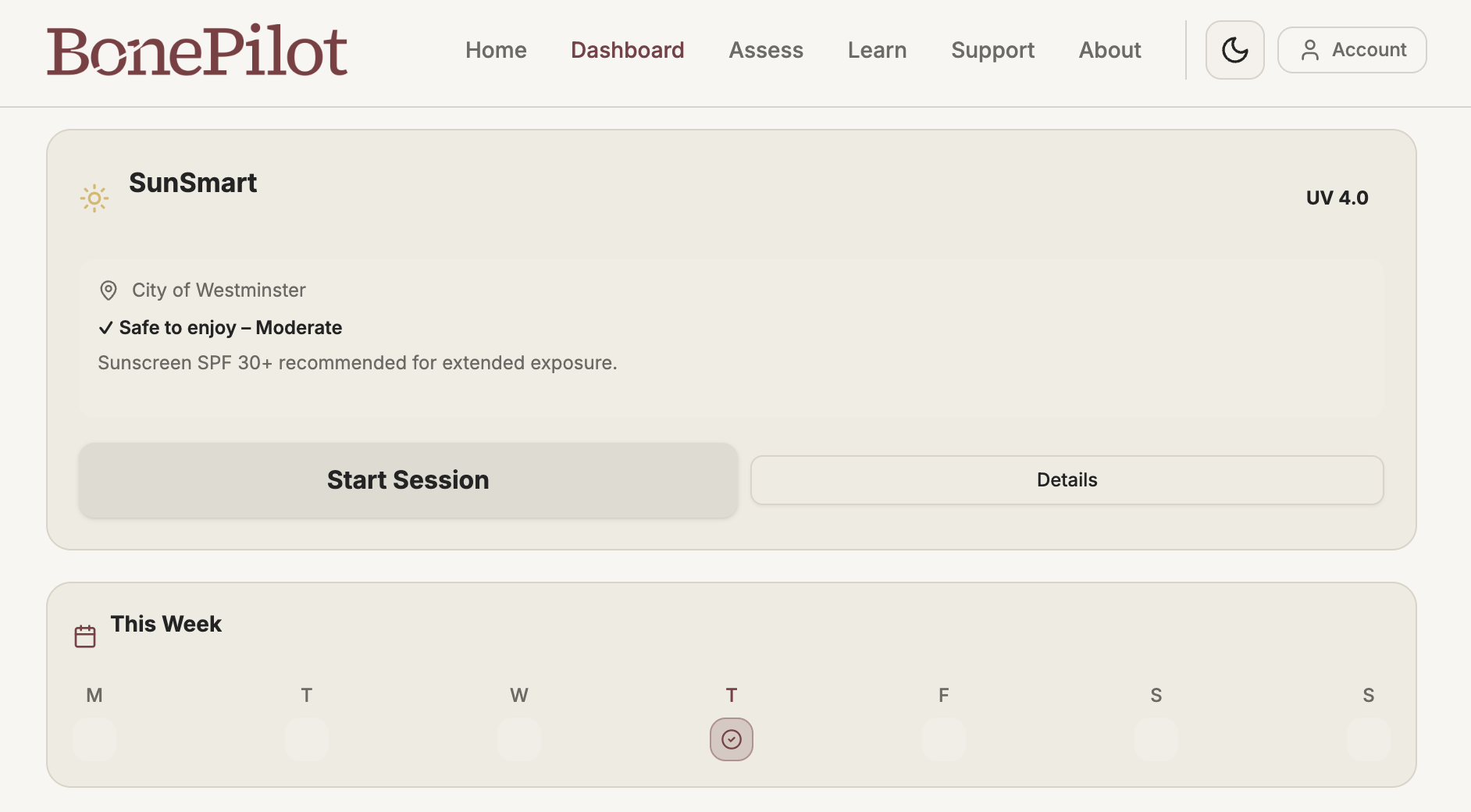
BonePilot - SunSmart
Resistance Exercise
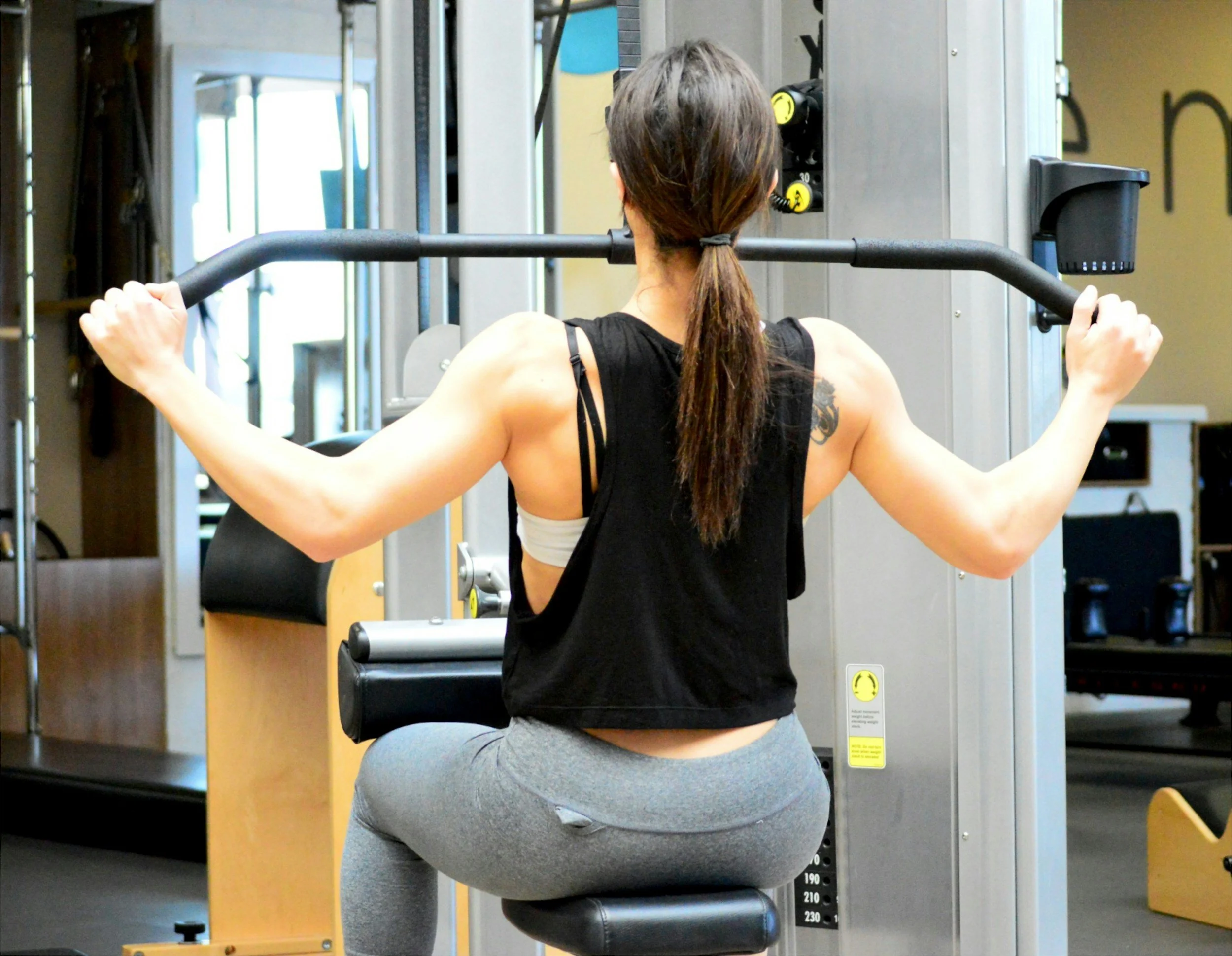
Make sure you start resistance training under supervision.
Progressive resistance training is one of the strongest non-pharmacological interventions for maintaining bone and muscle strength. It also reduces falls risk by improving balance and functional capacity (3).
Weight-Bearing Exercise
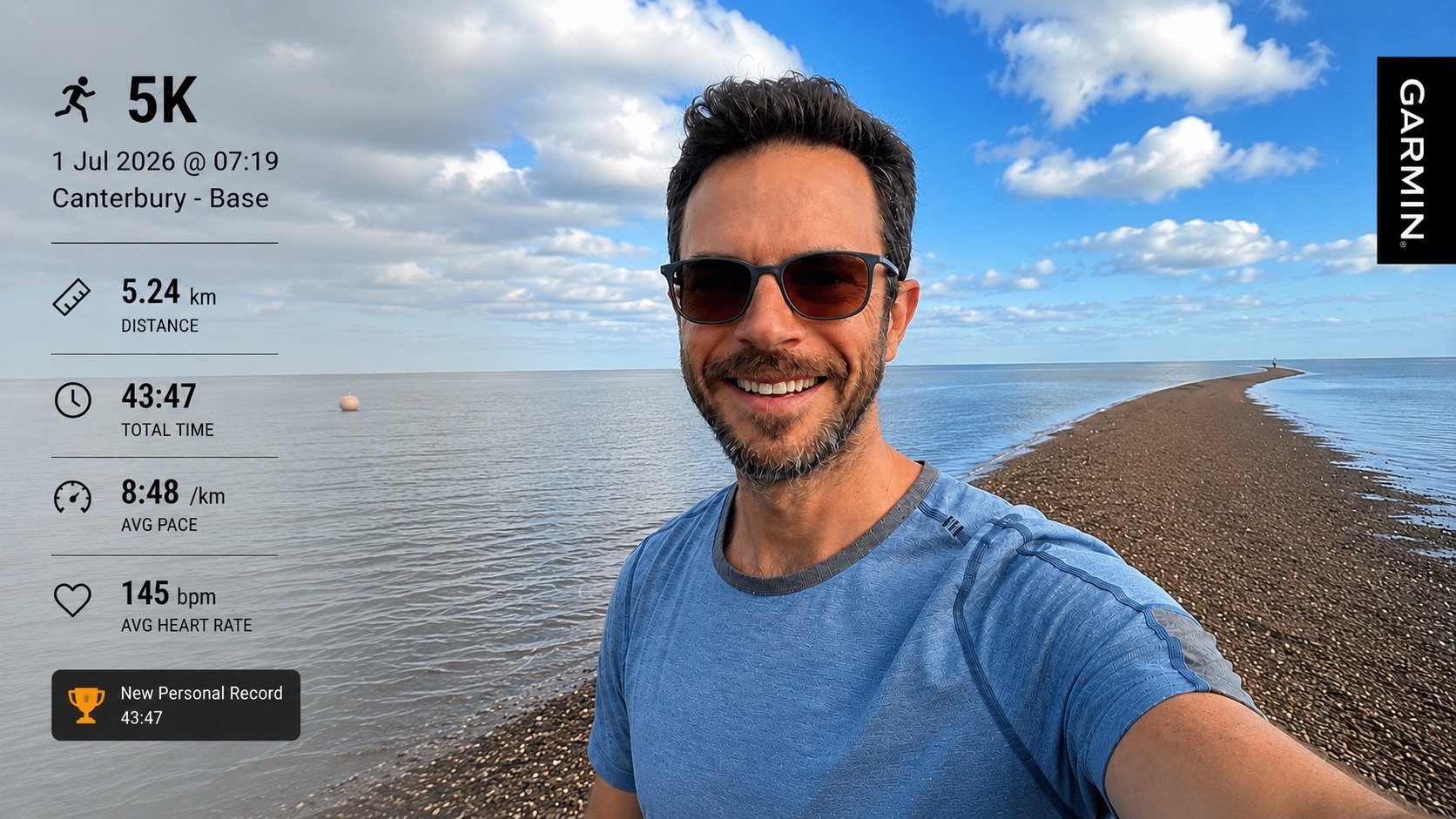
Arturo Fernandez - BonePilot Founder Osteopath and Health Coach, running my fastest 5K, running on ‘The Street’ at low tide in Whitstable.
Regular walking, stair climbing, jogging (where appropriate), dancing and resistance exercise all help maintain skeletal loading. Exercise programmes should always be individualised according to fracture history, pain, balance and overall health.
Can We Influence CTX and P1NP Naturally?
One area that particularly interests me is whether nutrition and exercise timing can temporarily influence bone turnover markers. Research suggests that consuming calcium before prolonged endurance exercise may attenuate the temporary rise in bone resorption seen after exercise, although the evidence remains moderate rather than definitive (7). Similarly, resistance exercise appears capable of stimulating bone formation over time through mechanical loading, though the exact changes in CTX and P1NP vary between studies. Rather than trying to "hack" bone markers, I think a more sensible approach is to consistently create conditions that support healthy bone remodelling. BonePilot Tool: Exercise & Calcium Insight
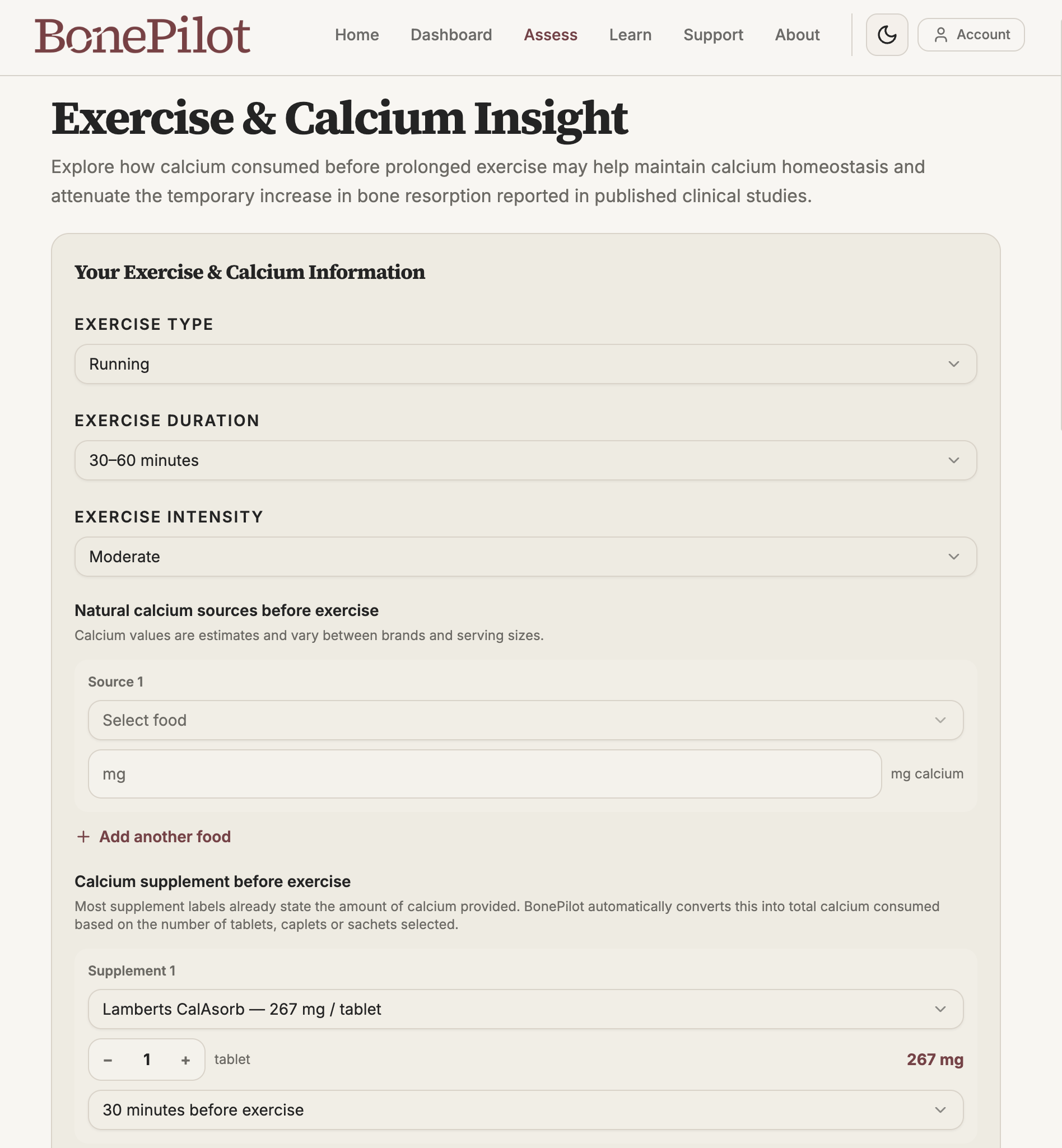
BonePilot - Exercise & Calcium Insight
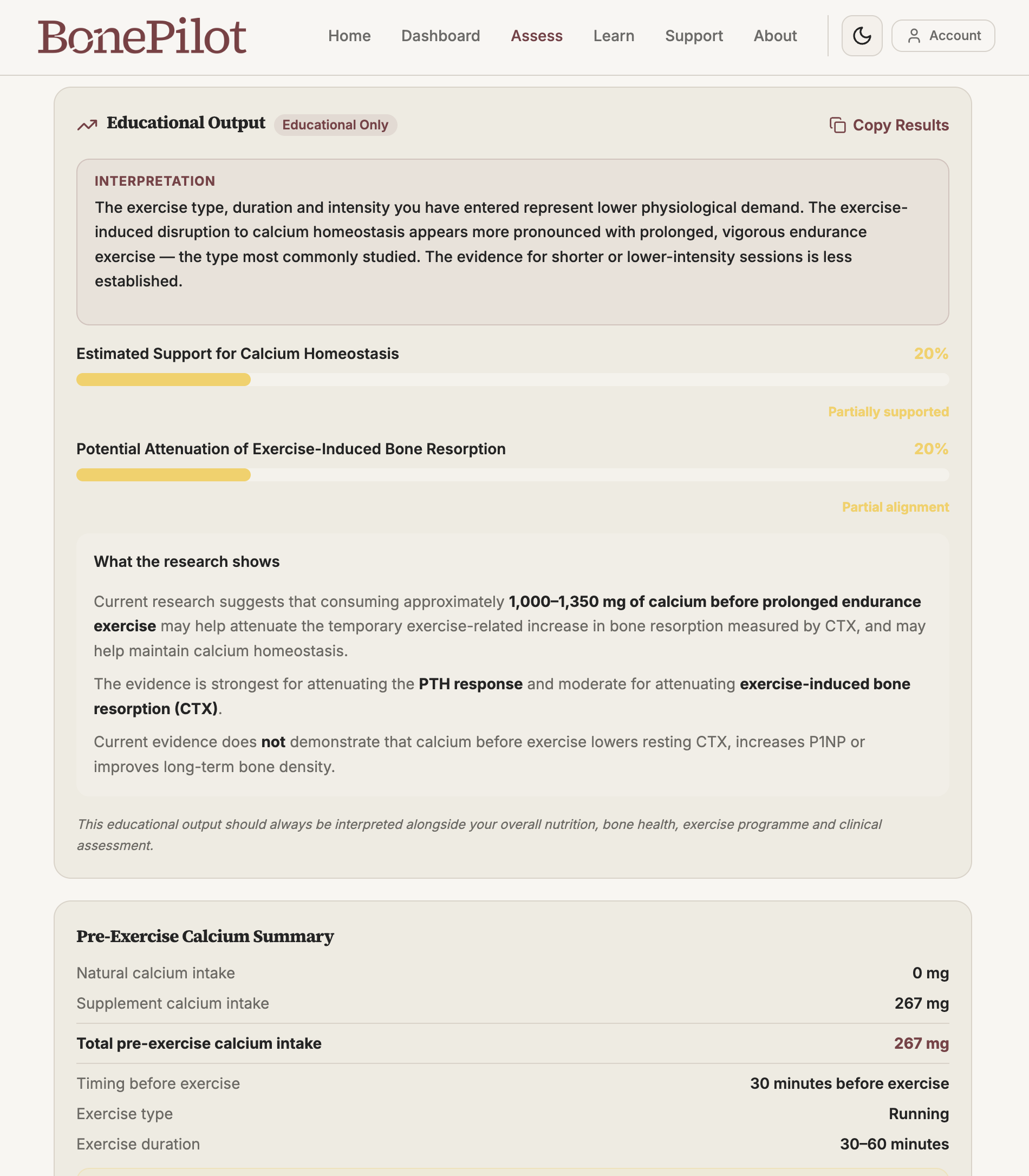
BonePilot - Exercise & Calcium Insight - Interpretation
Practical Takeaways
Current evidence supports focusing on the fundamentals:
Meet your daily calcium requirements
Consume adequate protein throughout the day
Correct vitamin D deficiency where present
Include regular progressive resistance training
Stay physically active
Discuss medications and investigations with your healthcare team
Monitor bone turnover markers under consistent testing conditions where appropriate
Small, consistent improvements are far more likely to support long-term bone health than any single miracle intervention.
Related BonePilot Tools
BonePilot currently includes educational tools that complement the topics discussed in this article:
Explore BonePilot
Final Thoughts
Living with osteoporosis has changed how I think about health. Instead of searching for quick fixes, I've learned to focus on creating the best possible conditions for my body to remodel bone over time — combining evidence-informed nutrition, appropriate exercise, medical care and a better understanding of my own results. BonePilot grew directly from that journey. My hope is that it helps others feel more informed, more confident, and better equipped to navigate their own bone health.
Scientific References
Vasikaran S, Eastell R, Bruyère O, et al. Markers of Bone Turnover for the Prediction of Fracture Risk and Monitoring of Osteoporosis Treatment: A Need for International Reference Standards. Osteoporosis International. 2011;22(2):391–420. Read on PMC
Eastell R, Szulc P. Use of Bone Turnover Markers in Postmenopausal Osteoporosis. The Lancet Diabetes & Endocrinology. 2017;5(11):908–923. Read on PubMed
International Osteoporosis Foundation. Exercise for Individuals with Osteoporosis. Read on osteoporosis.foundation
Weaver CM, Gordon CM, Janz KF, et al. The National Osteoporosis Foundation's Position Statement on Peak Bone Mass Development and Lifestyle Factors. Osteoporosis International. 2016;27(4):1281–1386. Read on Springer
National Osteoporosis Guideline Group (NOGG). Clinical Guideline for the Prevention and Treatment of Osteoporosis. Read on nogg.org.uk
International Osteoporosis Foundation. Vitamin D Recommendations. Read on osteoporosis.foundation
Haakonssen EC, Ross ML, Knight EJ, et al. The Effects of a Calcium-Rich Pre-Exercise Meal on Biomarkers of Calcium Homeostasis in Competitive Female Cyclists: A Randomised Crossover Trial. PLoS ONE. 2015;10(5):e0123302. Read on PLOS ONE
